
This post contains affiliate links. Please see our disclosure policy.
Table of Contents
- What are Electrolytes? What they do and where to get them.
- What are electrolytes?
- What do electrolytes do in the body?
- What causes electrolyte imbalance?
- Common symptoms of significant electrolyte loss
- Best natural sources of Electrolytes
- Do you need to drink sports drinks for electrolytes?
- In Summary
- More Articles You May Love:
What are Electrolytes? What they do and where to get them.
Electrolytes are minerals that carry an electrical charge to help regulate the body’s hydration, muscle function, and pH balance.
If you are interested in improving your hydration, you may also like our guide about drinking more water.
What are electrolytes?
Electrolytes can be acids, bases, or salts, depending on their chemical composition, and they’re stored in your blood and other bodily fluids [source].
Electrolytes play many important roles in your body and are essential for everyone. While the term “electrolytes” may make you think of extreme athletes or products such as Gatorade, there are many more ways to get them than just by drinking sports drinks.
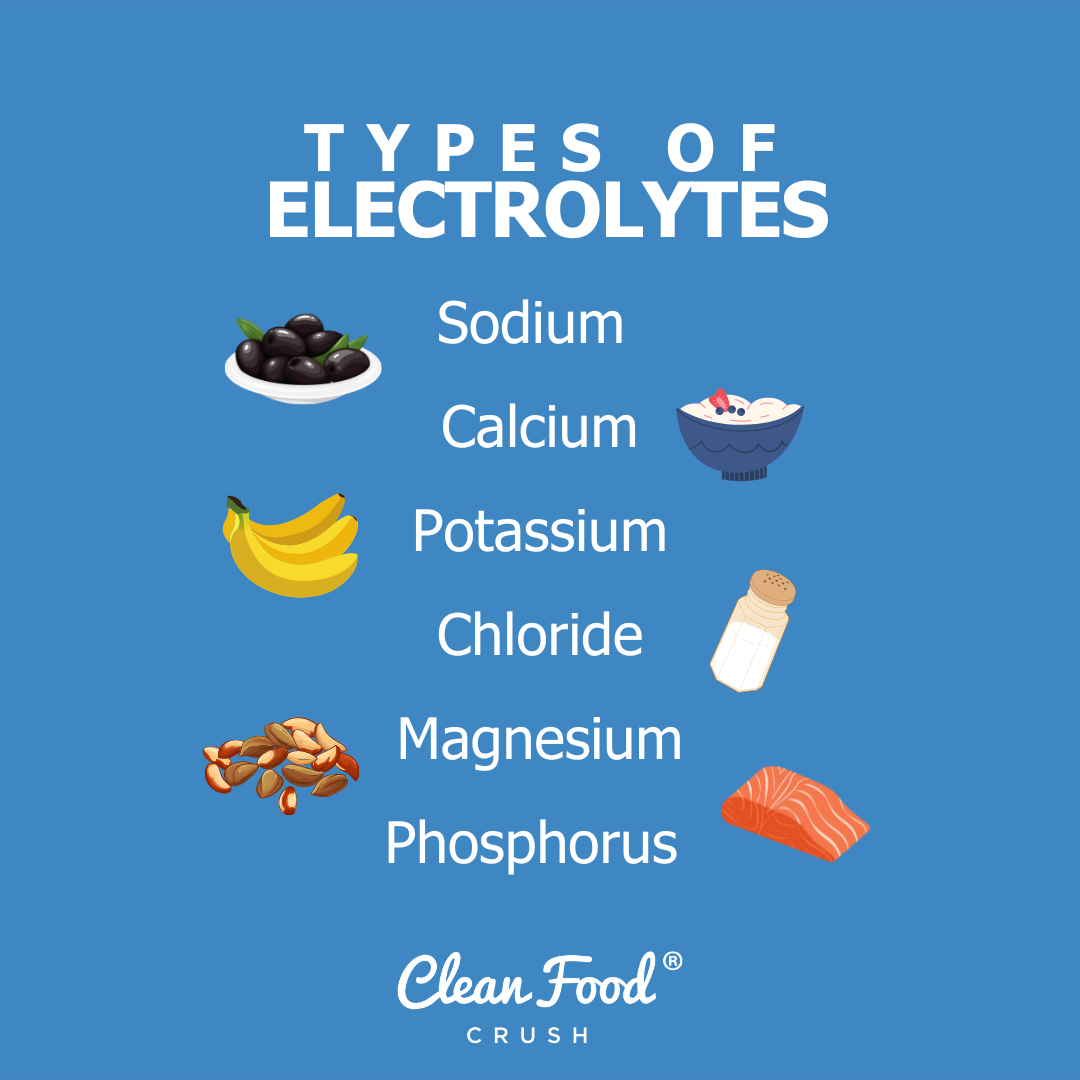
Here is a quick summary that may help you:
- Electrolytes: Electrolytes consist of sodium, potassium, magnesium, calcium, chloride, and phosphorus.
- What they do: they help with hydration, muscle function, pH balance and signaling in the body.
- How you lose them: When your body sweats, when you vomit or have diarrhea, and also when you urinate, you naturally lose electrolytes.
- Best electrolyte sources: You can easily replenish your electrolytes by eating fruits, veggies, dairy, nuts, seeds, and by drinking coconut water. (Most people don’t actually need sports drinks)
Understanding electrolytes helps you stay hydrated, avoid fatigue, and support healthy muscle and nerve function.
Read on to learn more about what makes electrolytes vital and what you can do to ensure you’re getting enough.
What do electrolytes do in the body?
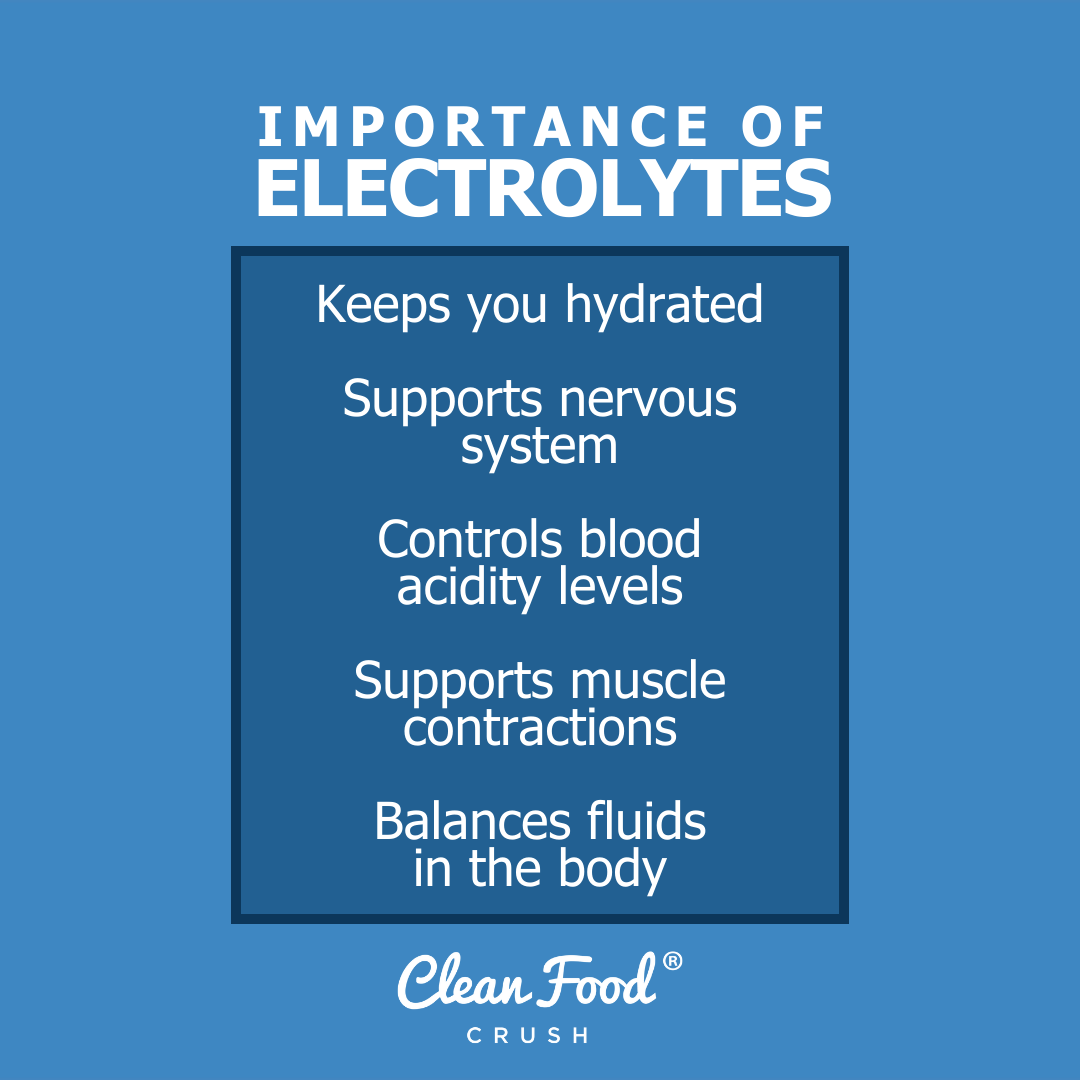
The crucial ways electrolytes influence things that determine how your body functions include:
- pH Balance: How acidic your blood is.
- Hydration: How much water is in your body.
- Muscle and Nerve Function: Electrolytes send signals to nerves and muscles in your body.
What causes electrolyte imbalance?
Your body works hard to maintain a balance of electrolytes, but some things can cause you to lose more such as:
- sweating
- urination
- vomiting
- diarrhea
In some cases, you may lose too many electrolytes, causing your body to become dehydrated and out of balance in other ways. This is more likely to happen when you are sick, engage in intense exercise, or are out in the heat for extended periods (such as during the summer).
Different electrolytes can be lost at different times. For example, when you sweat, you primarily lose sodium. Vomiting or having diarrhea may cause you to lose a combination of sodium, potassium, and chloride.
Losing too many electrolytes can be dangerous to your health.
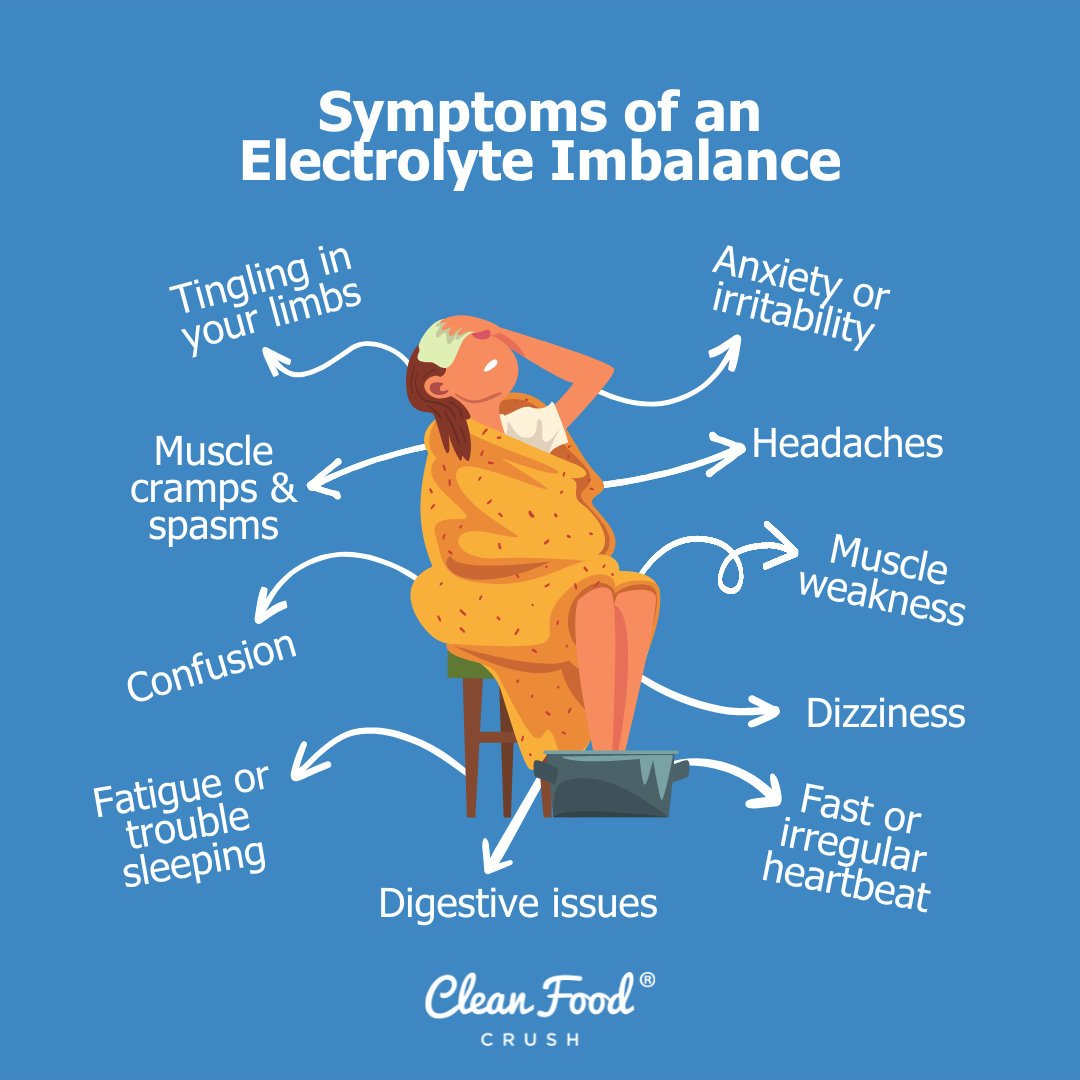
Common symptoms of significant electrolyte loss
While you may not have symptoms associated with a mild electrolyte imbalance, more significant electrolyte imbalances can cause symptoms such as:
Fatigue or dizziness
Fast or irregular heartbeat
Muscle weakness
Muscle cramps or spasms
Confusion
Headaches
Tingling in your limbs
Whether or not you have symptoms, it is crucial to replenish lost electrolytes to protect your health.
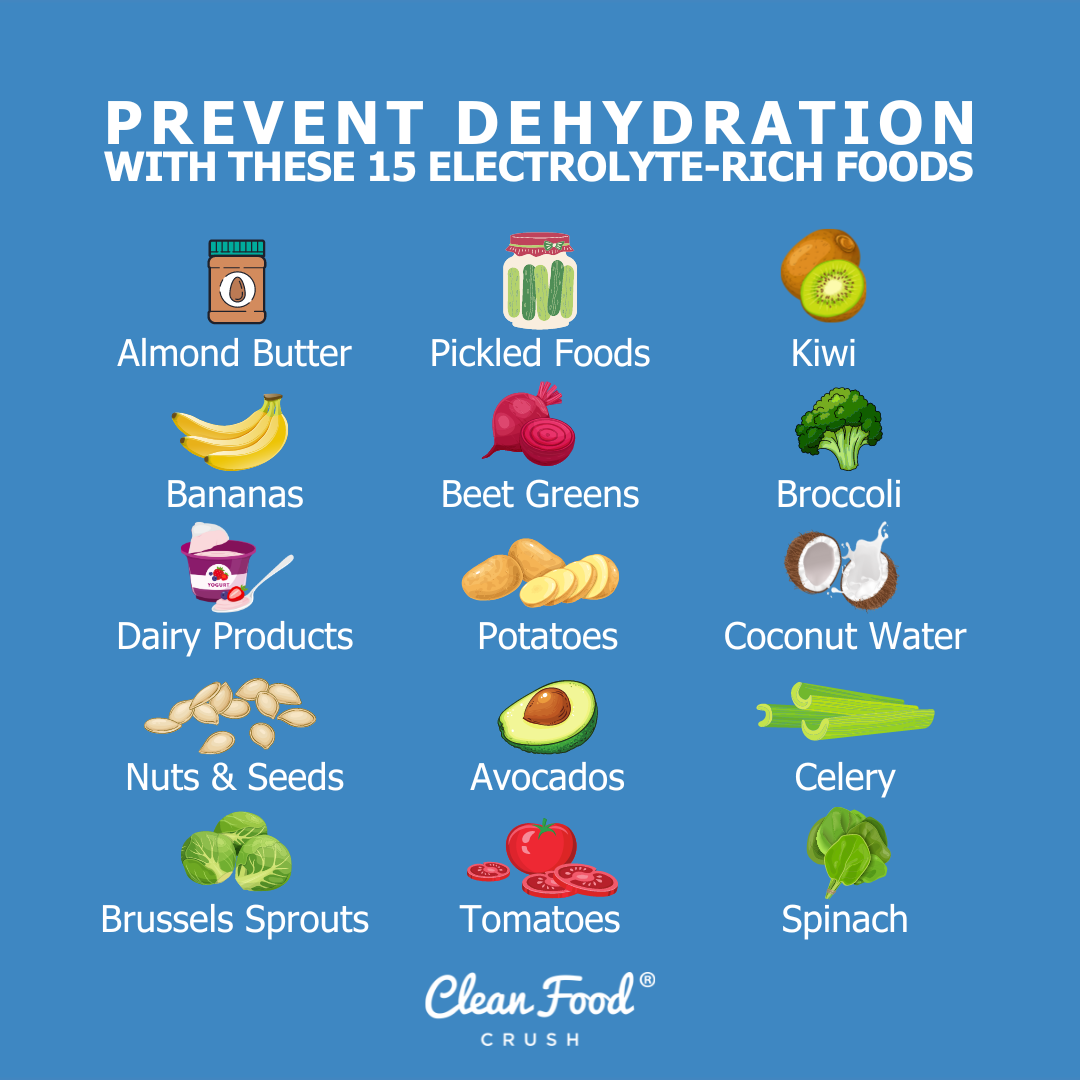
Best natural sources of Electrolytes
People often think of sports drinks when they think about electrolytes. Yet they’re found in many other foods and beverages as well. Below is a list of the common foods you can eat or drink in order to replenish your electrolytes using natural sources, plus recipes that make them delicious.
| Electrolyte | Best Food Sources | Example Recipes |
|---|---|---|
| Sodium | Salt, pickled foods, cheese | Beet Pickled Deviled Eggs, Pad Thai Zoodles |
| Calcium | Dairy, soybeans, broccoli, almonds | Halloumi Bowls, Greek Yogurt Mousse |
| Potassium | Bananas, kiwi, coconut, potatoes | Banana Pops, Kiwi Sorbet |
| Magnesium | Nuts, seeds, whole grains | Cashew Cauliflower Soup |
| Chloride | Salt, seafood, meats | Tuna Salad Stuffed Avocados |
Sodium
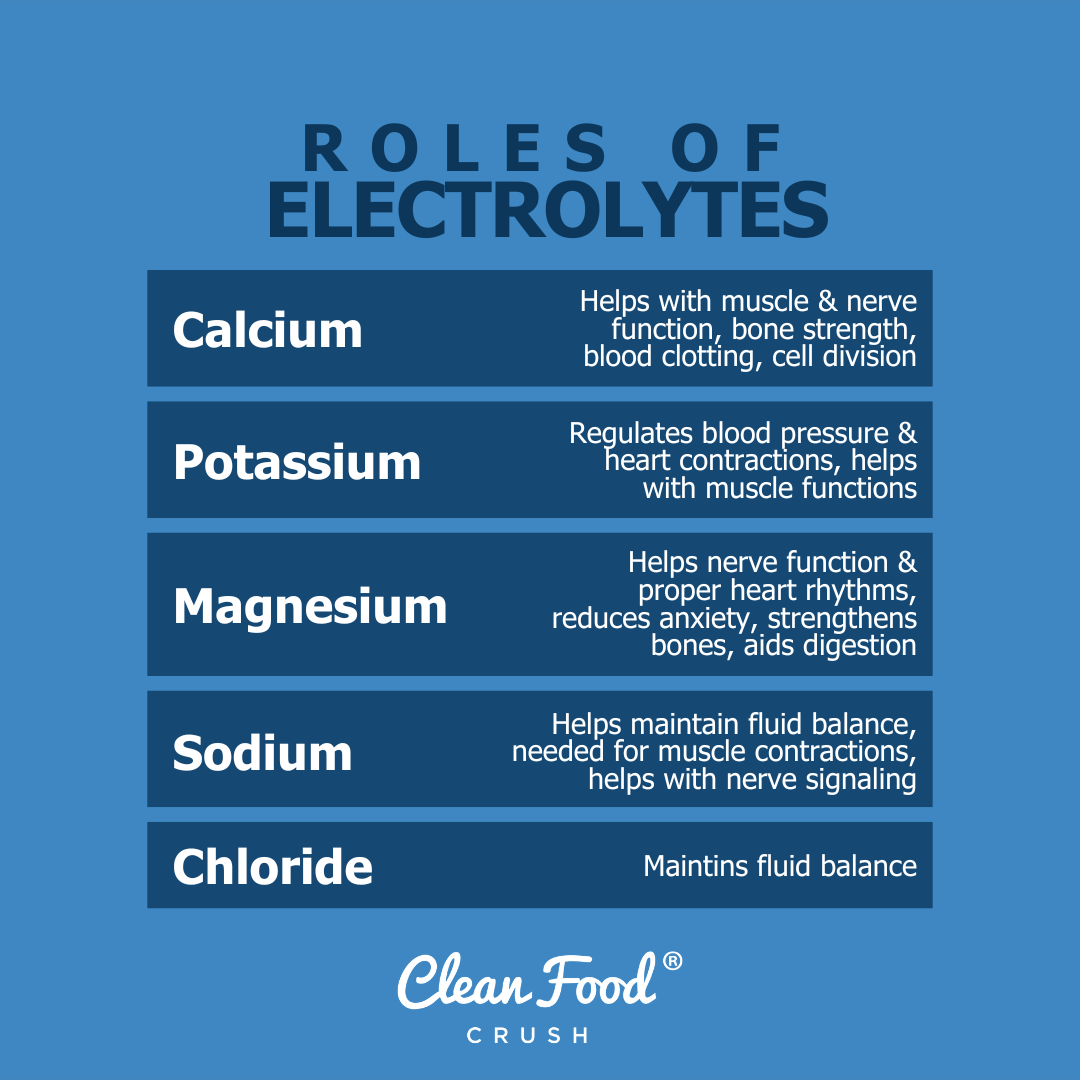
Sodium is one of the most important electrolytes for your body and can be found in table salt, pickled foods, cheeses, and most packaged foods. It helps with fluid balance, muscle contractions, and nerve signaling. Here are 2 great recipes you can make to replenish your sodium:
Beet Pickled Deviled Eggs

“Pad Thai” Inspired Zoodles

Calcium
Calcium is another important electrolyte that can be found in dairy products, soybeans, green veggies like broccoli and Brussels sprouts, and some nuts and seeds such as almonds and sesame seeds. Calcium is important for bone strength, muscle and nerve function, blood clotting, and cell division. Here are 2 recipes that can help you replenish your calcium:
Broccolini + Halloumi Power Bowls

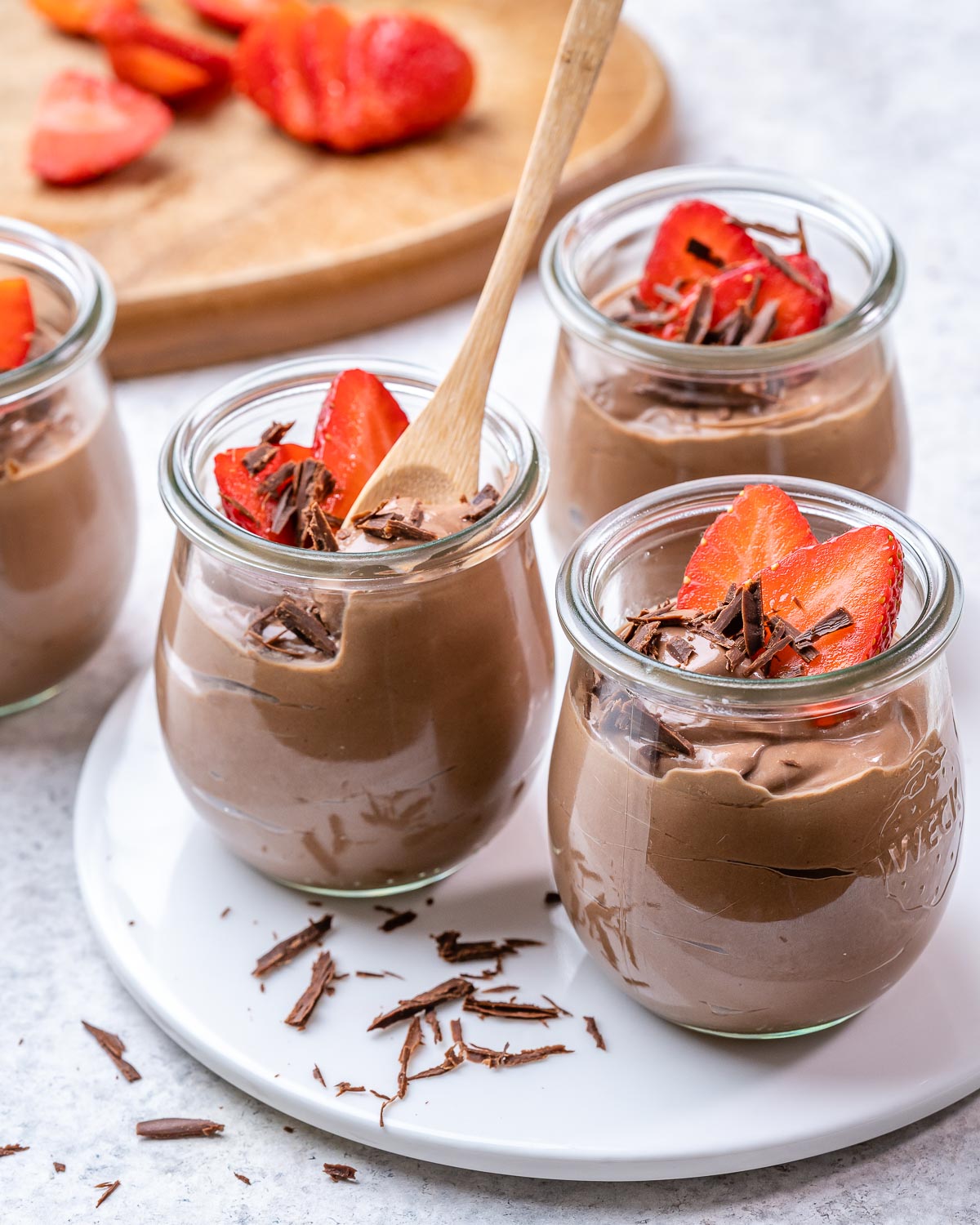
Greek Yogurt Chocolate Mousse
Potassium
Potassium is a great electrolyte that helps with muscle cramps and can be found in tropical fruits like banana, kiwi, and coconut, as well as potatoes, avocados, and tomatoes. Potassium helps regulate blood pressure and heart contractions, while also helping with muscle contractions. Here are two great recipes to increase your potassium:
Snickers Candy Bar Banana Pops

Easy Peasy Kiwi Sorbet

Magnesium
Magnesium is found in nuts, seeds, and whole grains. Here is a great recipe that includes a high amount of magnesium. It helps with nerve and heart functions, reduces anxiety, strengthens bones, and aids in digestion. This recipe is perfect for increasing your magnesium:
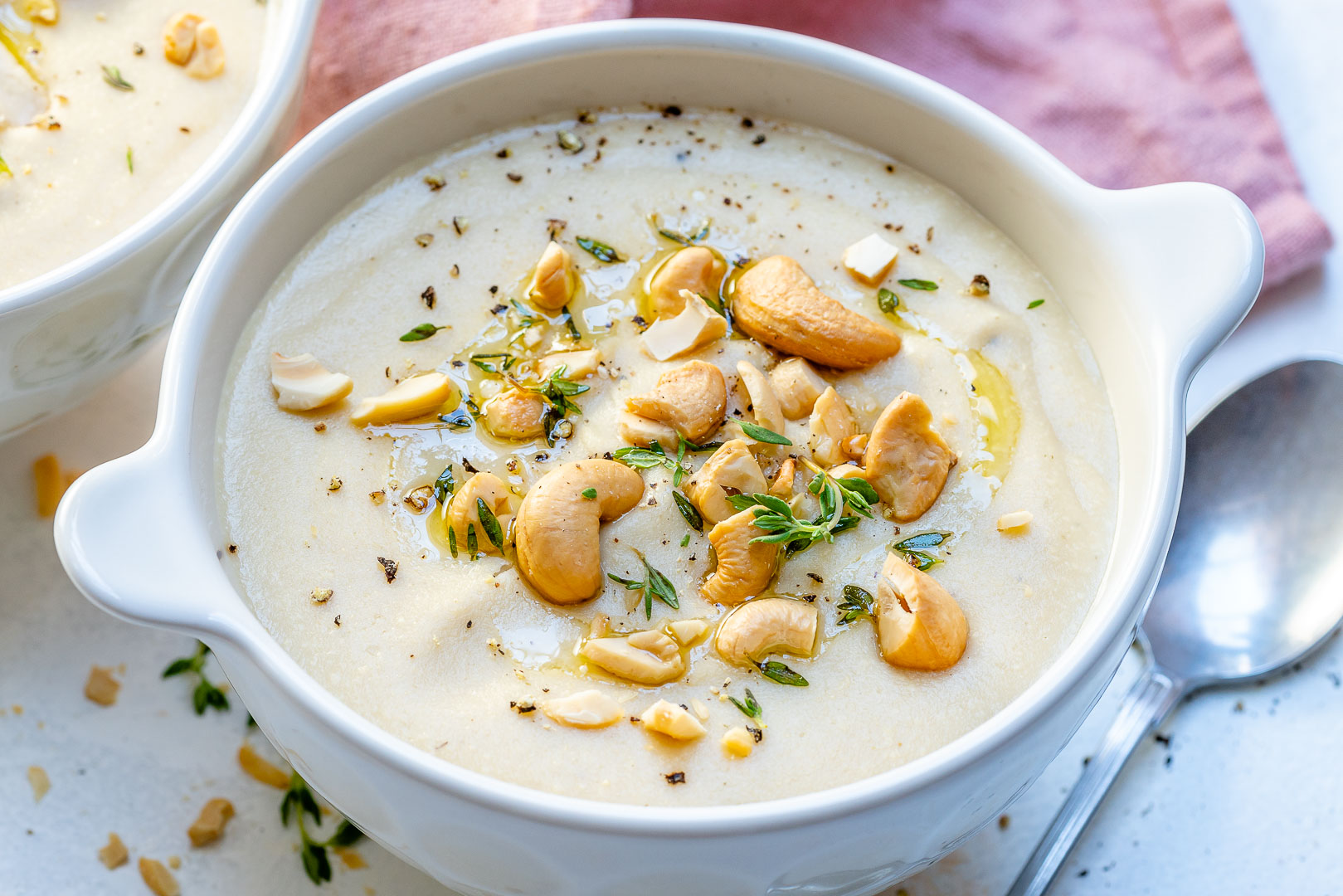
Creamy Cashew Cauliflower Soup
Chloride
Chloride is an electrolyte found in table salt, and sometimes in small amounts in seafood and meats. The essential role of chloride is to maintain fluid balance in the body. Here is a delicious recipe to help you replenish your chloride electrolytes:
Chipotle Tuna Salad Stuffed Avocados

Do you need to drink sports drinks for electrolytes?
Most people do not need sports drinks to replace lost electrolytes. In fact, many of those drinks can be loaded with added sugar or artificial sweeteners and dyes, which aren’t good for your health.
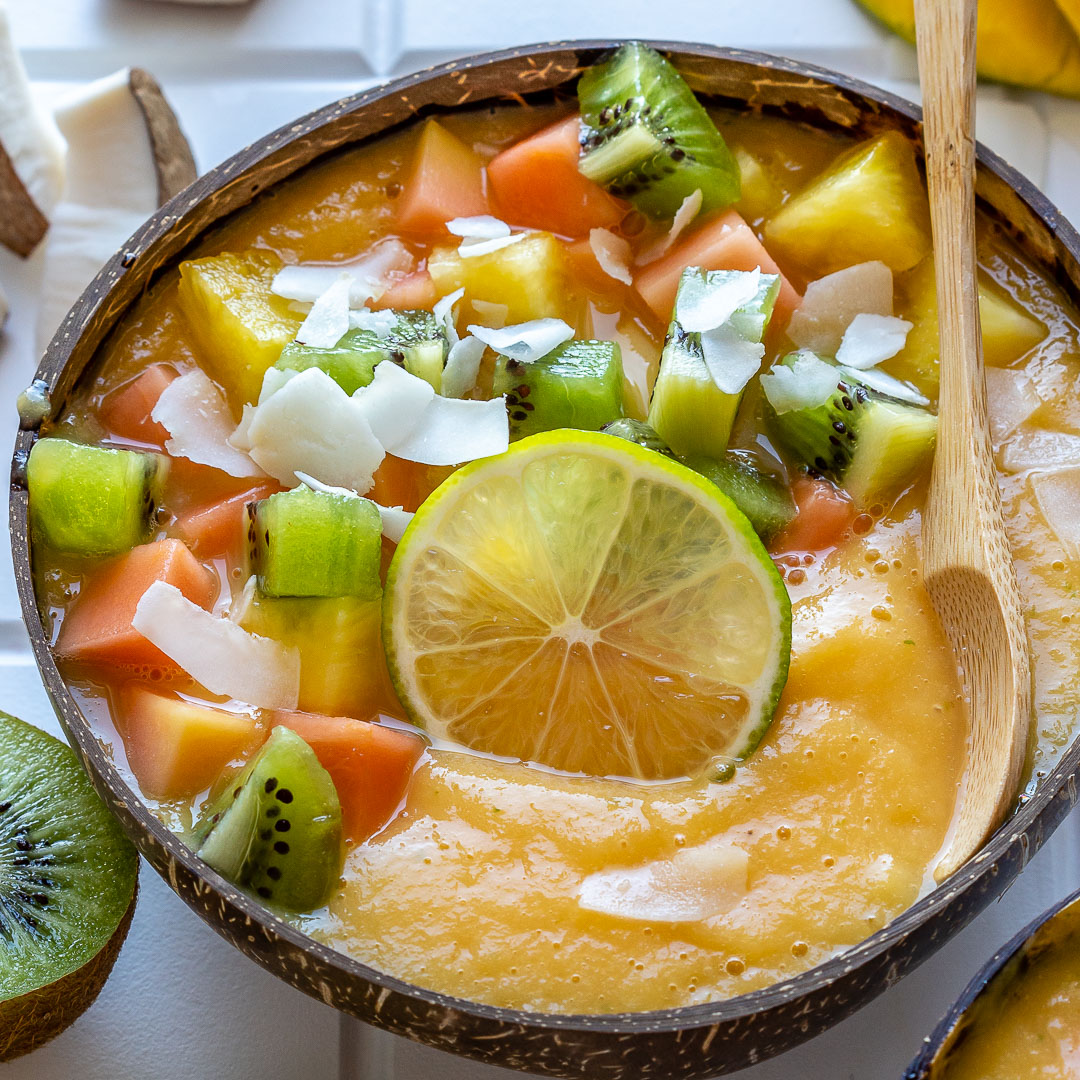
Coconut water is a healthier natural alternative to sports drinks since it is rich in potassium and contains some sodium. Other ideas include making a smoothie or smoothie bowl, which can be naturally rich in electrolytes.
In Summary
Electrolytes are essential minerals to the human body’s survival. Some factors, such as vomiting or sweating, can cause your body to lose electrolytes and dehydrate. This is why it is imperative to replace lost electrolytes.
Eating an overall balanced diet that includes natural food sources of electrolytes is an excellent way to help maintain normal electrolyte levels in your body. If you choose to supplement, you should talk with your doctor about proper type and dosing.

More Articles You May Love:
- Why Sleep Is Your Secret Weapon for Fat Loss and Building Muscle!
- 15 Natural Ways to Boost Your Metabolism and Burn More Fat
- 7 Ways to Ease Menopause Symptoms and Burn Fat
- Why You Store Fat in Different Parts of Your Body
- Natural Energy Boosters: 15 Snackable Recipes to Fuel Your Day
- 15 Best Fat-Burning Foods (Healthy and Naturally Satisfying)