
This post contains affiliate links. Please see our disclosure policy.
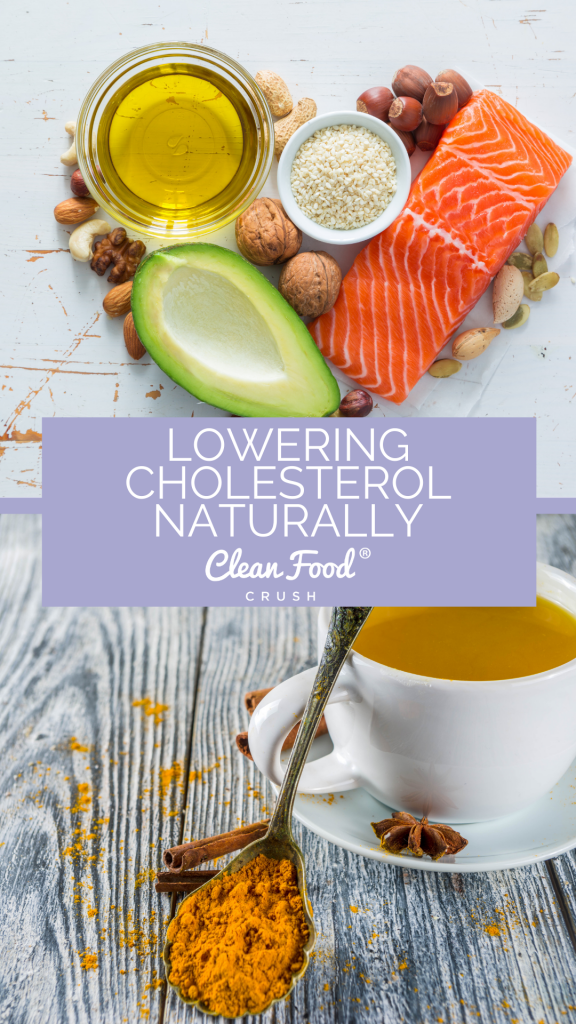
Table of Contents
- How to Reduce Cholesterol Naturally: 8 Simple Tips That Actually Work
- Quick Tips to Lower Cholesterol
- Why Cholesterol Matters for Heart Health
- What Can Affect Cholesterol Levels?
- 8 Simple Ways To Lower Cholesterol Naturally
- Quick Glance at Foods That Help Lower Cholesterol
- More Education: What is Cholesterol?
- Role of Healthy Cholesterol (HDL) in the Body
- FAQ’s
- A Balanced Approach to Wellness
How to Reduce Cholesterol Naturally: 8 Simple Tips That Actually Work
If you’ve been looking for simple, realistic ways to support healthy cholesterol levels, you’re not alone. While your healthcare provider is always the best source for personalized guidance, many people find that everyday habits, especially food choices, can play a meaningful role in helping to reduce cholesterol levels naturally.
Below are practical, real‑food ideas and habits that many people use to support their wellness goals. They’re easy to start, simple to maintain, and fit naturally into a healthy lifestyle.
Quick Tips to Lower Cholesterol
- Eat More Fiber
- Add Healthy Fats
- Limit Processed Foods
- Exercise Regularly
- Moderate Alcohol Consumption
Why Cholesterol Matters for Heart Health
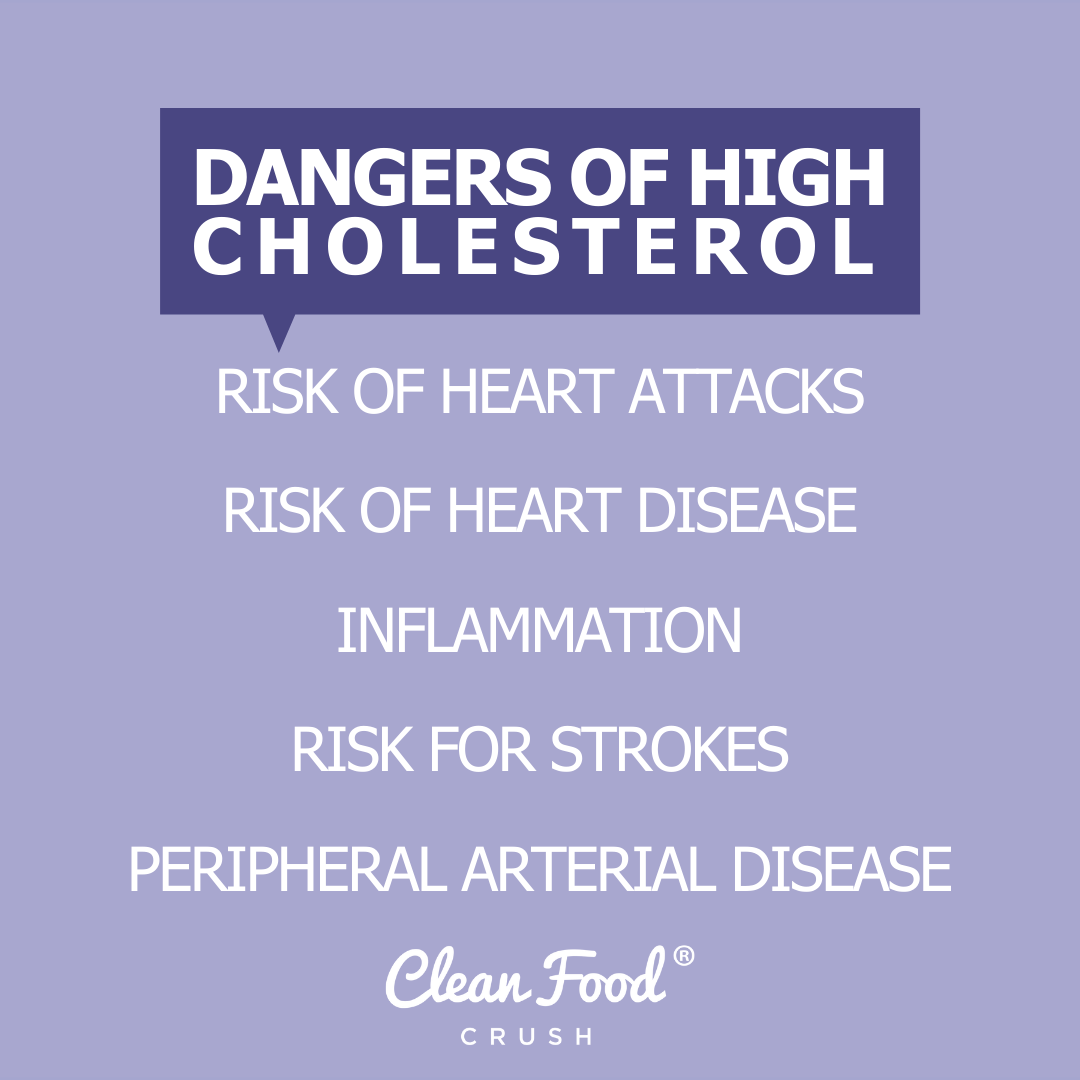
Even though some cholesterol is an essential component in your body, too much bad cholesterol can cause problems.
It is well known that high levels of bad cholesterol (LDL’s or Low Density Lipoproteins) can increase your risk of heart disease and heart attacks, which is the number one cause of death in America. This happens because having high LDL levels causes the formation of a substance called plaque.
This plaque can then stick to the walls of your arteries and lead to something called Atherosclerosis, which is a condition that makes the arteries narrow and stiff and can create blockages.
In addition, having high LDL’s also increases inflammation in your body, which is another risk factor for heart disease.
You may be surprised to learn that eating foods high in cholesterol does not lead to high cholesterol in the blood. In fact, the Dietary Guidelines for Americans removed the old recommendation to limit dietary cholesterol since adequate evidence was not available.
Sources: American Heart Association, CDC, MedlinePlus
What Can Affect Cholesterol Levels?
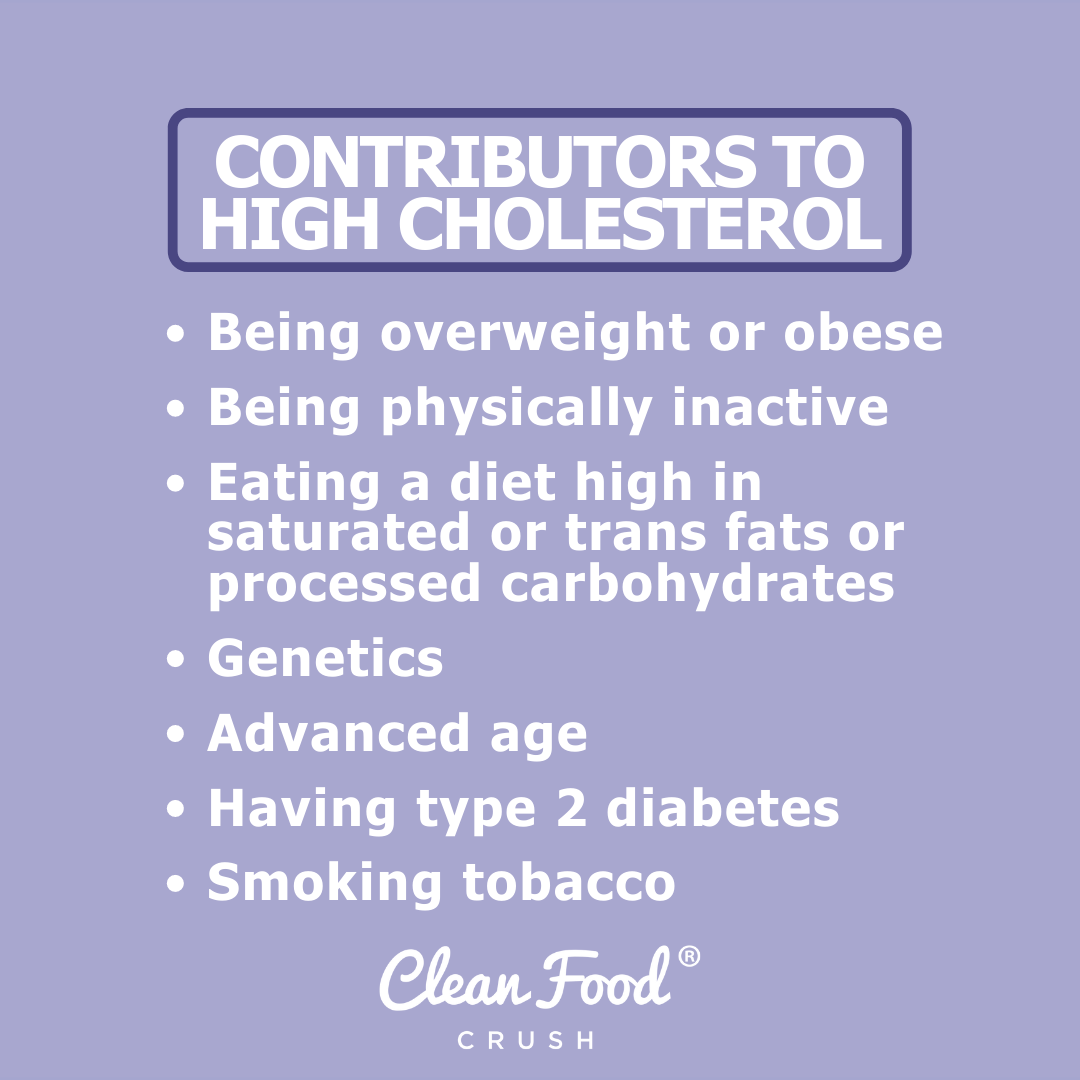
Cholesterol levels are often affected by many different factors. These factors can range from unhealthy habits to genetics. Here are some of the things that can affect your cholesterol in a negative way:
- Being overweight or obese
- Being physically inactive
- Eating a diet high in saturated, trans fats, or processed carbohydrates
- Genetics
- Advanced age
- Having type 2 diabetes
- Smoking tobacco
And while some of these items you are unable to control, others can be modified to greatly benefit you. A few of those things being lifestyle changes and food choices.
Sources: American Heart Association, NIH
8 Simple Ways To Lower Cholesterol Naturally
*Always consult your healthy care provider about any changes to your lifestyle, diet, and/or medications.
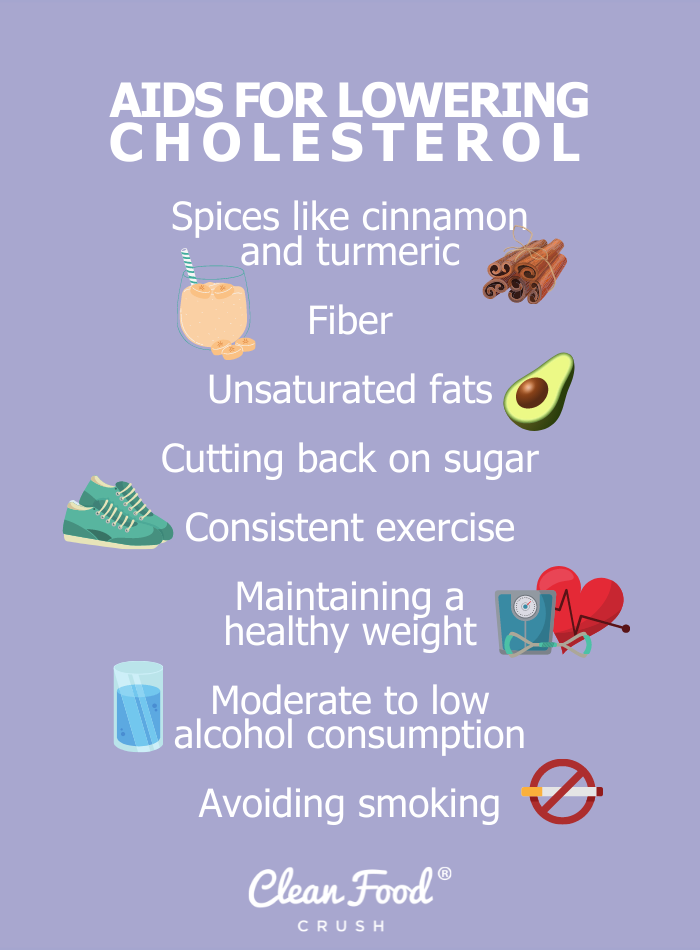
Often people look for more natural ways to help with medical conditions, and trying to lower cholesterol is one of them. It has been shown in many studies that simple changes to your lifestyle and diet can aid to help regulate your cholesterol levels better. Here are some natural ways to help you do that:
1. Add Spices
There are a few spices, Cinnamon and Tumeric specifically, that research has shown can help support healthy cholesterol and triglyceride levels. Adding these spices to drinks, soups, stews, curries, and smoothie recipes is an easy way to increase the amount you eat. You can try them in some of the following recipes:
Read more about the Nutritional Benefits of Herbs and Spices.
2. Eat More Fiber
Research has shown that eating more fiber can help prevent cholesterol from entering your blood stream and effectively lower cholesterol levels. These high fiber foods can include nuts, seeds, legumes, whole grains, fruits, and vegetables. Here are a few recipes that can help you eat more fiber:
- Hearty 3 Bean Soup High in Fiber and Protein
- Healthy Beef and Cabbage Stir Fry (Easy One-Pan Dinner)
- Summertime Grilled Fresh Vegetable Salad
Read more about Why Fiber Is Important For Your Health.
3. Add Heart Healthy Fats
Adding heart healthy fats like unsaturated fats from nuts, seeds, avocados, olive oil, and fatty fish, while reducing unhealthy saturated fats and trans fats from meat and processed foods can help you lower cholesterol your levels.
Omega-3 fatty acids are just one type of unsaturated fat that has many healthy benefits including helping to lower cholesterol and can be found in walnuts, fatty fish, chia seeds, hemp seeds, and flaxseeds.
Here are a few great recipes that include healthy fats:
Read more about Health Benefits of Chia, Hemp, and Flax Seeds.
4. Reduce Sugar
Often times we don’t even realize we are eating extra sugar because it is hidden in foods we think are healthy like marinara sauce, salad dressings, and even bread.
Research has shown that eating too much sugar can bad cholesterol (LDL’s or Low Density Lipoproteins ) and triglyceride levels while lowering your good cholesterol (HDL’s or High Density Lipoproteins).
So if you can reduce the amount of sugar you eat by eating at home more often, this can be a great way to help reduce your bad cholesterol. Here are a few recipes you can make at home to avoid unwanted hidden sugars:
- Rachel’s QUICK Homemade Marinara Sauce
- Grilled Peach Quinoa Salad with Homemade Balsamic Vinaigrette
- Protein Pumpkin Lentil Bread
Read more about 7 Signs You Have a Crush on Sugar!
5. Exercise Consistently
Being active helps raise HDL cholesterol, which is the good kind. It is best to choose a variety of exercises that you enjoy and can be consistent with, and keep in mind that no fancy equipment or expensive gym memberships are required! Here are some articles to inspire you to become more active:
- 30 Reasons To Start Walking For 30 Minutes Each Day
- Rachel Lost 9 Pounds and Lowered Her Cholesterol with the 30 Day Clean Eating Challenge!
- Fun Ideas To Be More Active Without A Formal Workout Program
6. Strive For a Healthy Weight
It has been shown through scientific studies that being overweight or obese can increase your bad cholesterol levels and lower your good cholesterol. The good news is that the studies have also shown that losing weight through healthy means can reverse that effect. Eating whole foods can help you maintain a healthy weight. Here are three of our top recipes for eating a healthier whole food diet:
- Easy Air Fryer White Fish (No Breading!)
- Crispy Crunchy Air-Fryer Sweet Potato Chips
- [VIDEO] Creamy Chicken + Broccoli Casserole
7. Be Moderate With Alcohol
According to this study, excessively drinking alcohol can raise cholesterol and triglyceride levels, so it’s important to practice moderation. A healthy recommendation is a max of 2 drinks per day for men and 1 drink per day for women. But there are plenty of delicious drinks out there that contain no alcohol which you may really love and are easier on your liver. Here are some of our favorite mocktails:
- Alcohol-Free Ripe Peach Coolers
- Alcohol-Free Strawberry Margaritas
- Strawberry Mimosas (CFC Mocktail Version)
8. Avoid Smoking
Smoking causes inflammation in your body and can raise LDL cholesterol while lowering HDL. Cigarette smoking is a leading contributor to cardiovascular disease.
*Remember to always consult with your doctor before changing the way you take any prescription medications.
Quick Glance at Foods That Help Lower Cholesterol
The following foods are commonly recommended for helping lower cholesterol naturally.
| Food | How It Helps Lower Cholesterol |
|---|---|
| Oats | High in soluble fiber that helps reduce LDL cholesterol |
| Barley | Contains beta-glucan fiber known to lower cholesterol |
| Beans | Soluble fiber helps remove cholesterol from the bloodstream |
| Lentils | High fiber plant protein supports heart health |
| Chickpeas | Fiber and plant sterols help reduce LDL |
| Avocados | Rich in heart-healthy monounsaturated fats |
| Olive Oil | Helps replace unhealthy fats and support healthy cholesterol levels |
| Fatty Fish | Omega-3 fats help improve heart health |
| Almonds | Nuts can help lower LDL cholesterol |
| Walnuts | Contain omega-3 fats that support healthy cholesterol levels |
| Chia Seeds | High in fiber and omega-3 fatty acids |
| Flaxseeds | Contain soluble fiber that helps lower LDL |
| Apples | Pectin fiber helps reduce cholesterol absorption |
| Berries | Rich in antioxidants and fiber |
| Leafy Greens | High in fiber and antioxidants |
| Soy Foods | Soy protein may help reduce LDL cholesterol |
| Garlic | May help support healthy cholesterol levels |
| Green Tea | Antioxidants may help lower LDL cholesterol |
Adding more of these foods into your weekly meals can naturally support healthy cholesterol levels. Try incorporating them into simple meals like oatmeal with berries, lentil soup, avocado salads, or salmon with roasted vegetables.
More Education: What is Cholesterol?
Cholesterol is a waxy substance that is part fat and part protein, also known as lipoprotein. It is found in your blood and is a key component of every cell in your body. Your liver produces all the cholesterol your body needs, but you can also obtain cholesterol from eating animal products [source].
While medications known as statins can be prescribed to lower cholesterol, they may come with side effects and do not treat the root cause of the problem. Making diet and lifestyle changes to lower cholesterol naturally is the best way to protect your health.
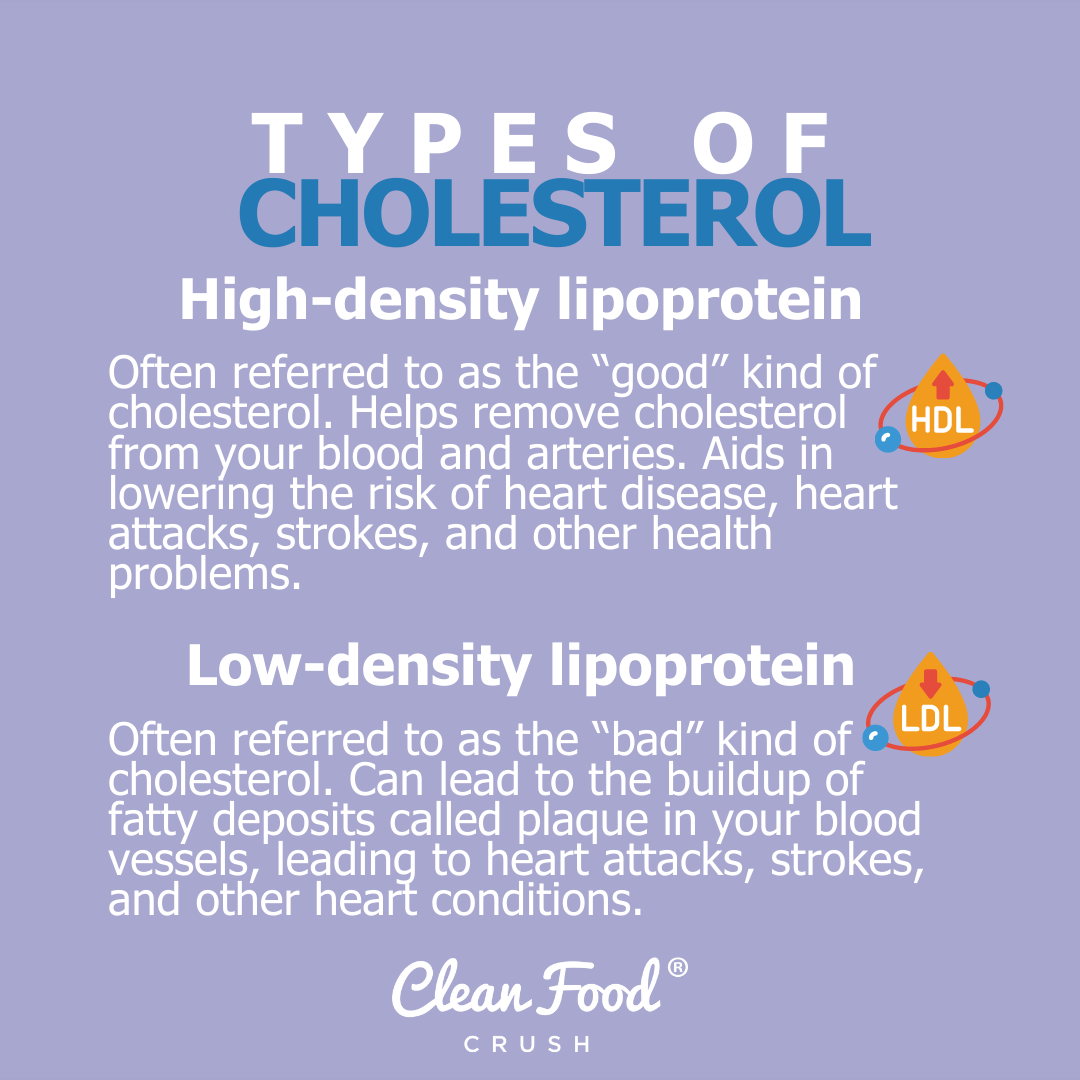
There are 2 main types of cholesterol, which are:
- High-density lipoprotein (HDL): this is often called the “good” kind of cholesterol since it helps remove cholesterol from your blood and arteries and back to your liver for removal from the body. High levels of HDL can help lower your risk of heart disease, heart attack, stroke, and other health problems.
- Low-density lipoprotein (LDL): this is the “bad” type of cholesterol since it can lead to the buildup of fatty deposits called plaque in your blood vessels. Plaque can lead to heart attack, stroke, and other heart conditions.
Both LDL and HDL contribute to your total cholesterol. Triglycerides are another type of lipid that is similar to cholesterol. They are often checked as part of the same blood panel since they play similar roles in heart health [source].
Role of Healthy Cholesterol (HDL) in the Body
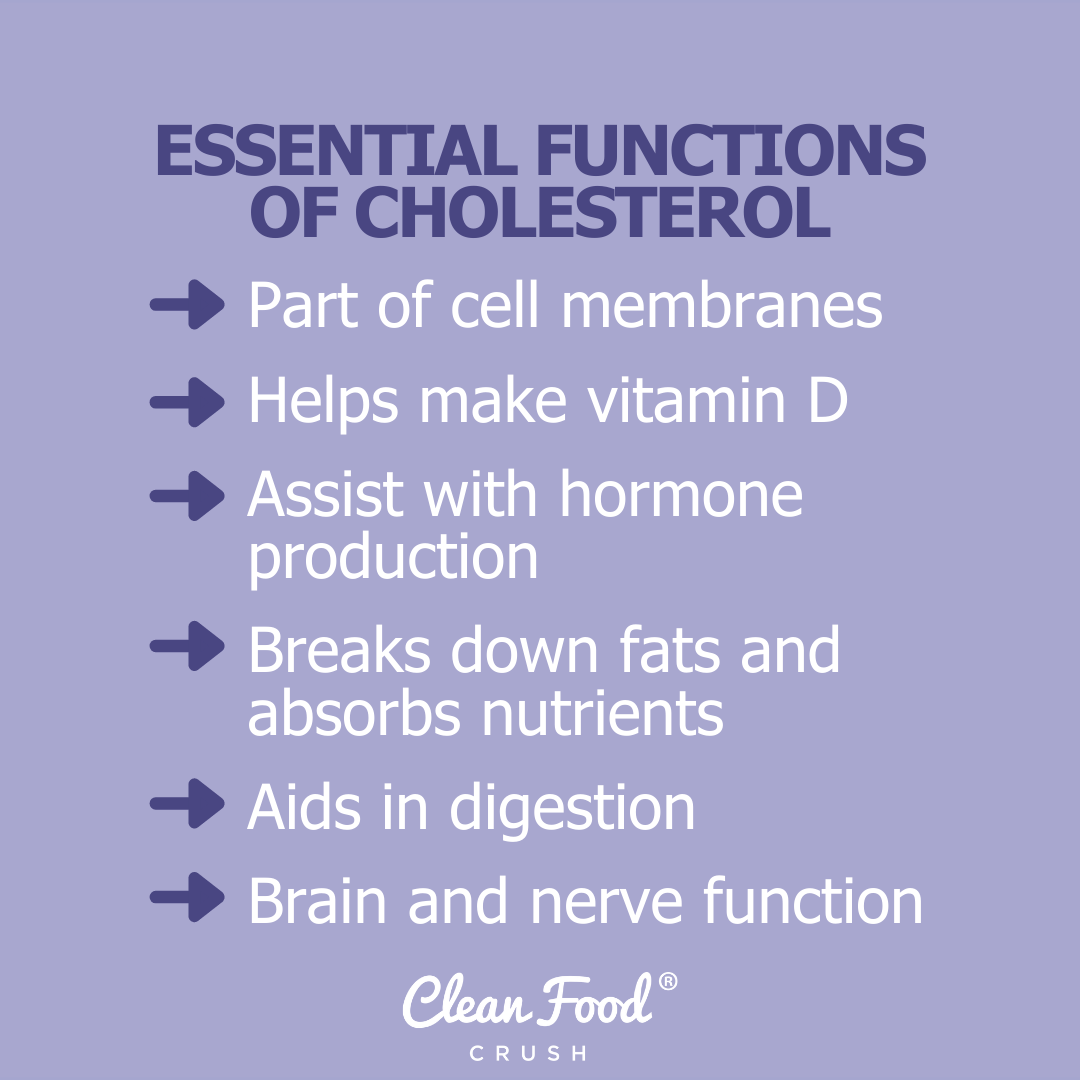
- Part of cell membranes. These are what provide your cells with structure. Since cells make up every organ in your body, cholesterol plays a pretty important role in helping them function properly.
- Helps make vitamin D. Cholesterol helps your body produce vitamin D from sunlight. Since vitamin D plays many important roles in your health, including reducing disease risk, this is another crucial cholesterol function.
- Assist with hormone production. Your body uses cholesterol to make hormones such as estrogen, testosterone, and cortisol. This means cholesterol also plays a vital role in sexual development, fertility, and even stress levels.
- Digestion. Cholesterol is needed to produce bile, which is a substance that helps your body break down fats and absorb nutrients. Not enough bile can lead to malnutrition and even bacteria overgrowth in the intestines.
- Brain & nerve function. Your brain has the highest cholesterol content compared to any other organ in your body. Cholesterol is also an essential component of myelin membranes which protects your nerve cells and helps transmit electrical impulses that control things like movement and sensation.
However, other things can contribute to high cholesterol.
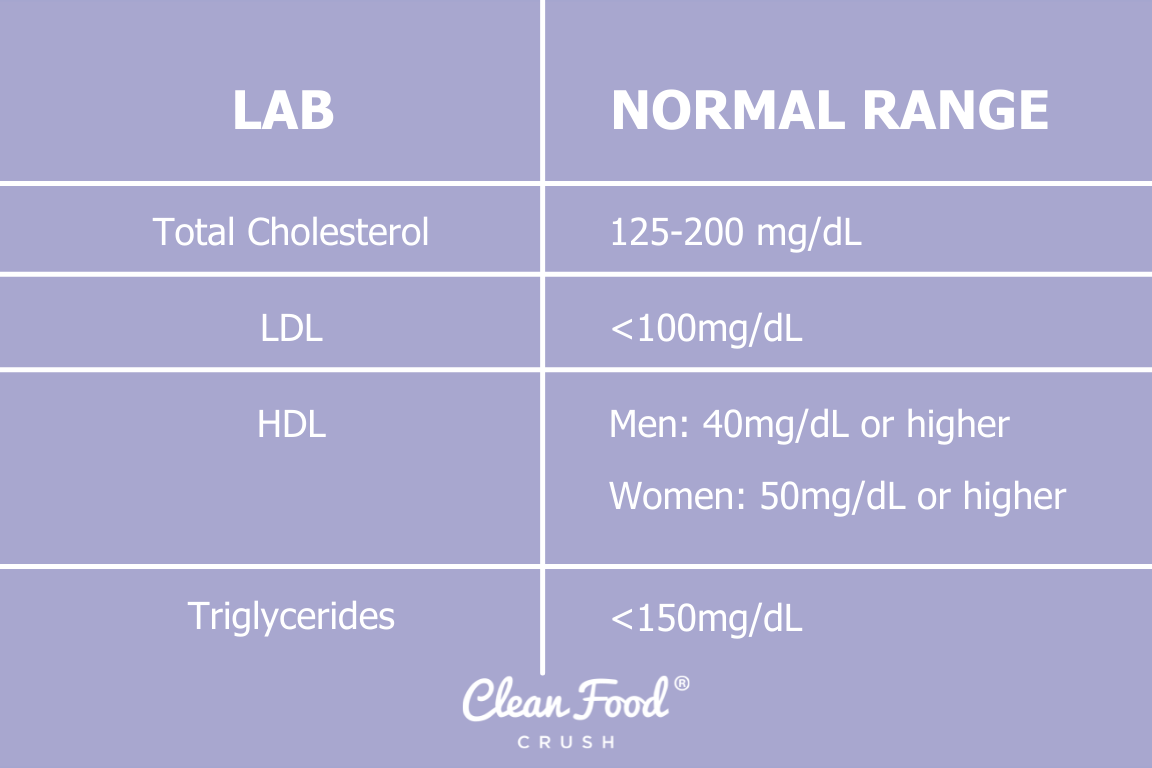
The normal ranges for adults in each of these lab values are as follows:
FAQ’s
Can food choices play a role in supporting healthy cholesterol levels?
Absolutely. Even when you speak with your health care provider, they often first tell you what foods you need to avoid and what foods to eat more of.
What foods are commonly included in a healthy cholesterol diet?
Foods that are good for regulating cholesterol levels are oats, beans, legumes, avocados, nuts, olive oil, fatty fish, and berries.
Are eggs bad for cholesterol?
Eggs have been proven to not be bad for cholesterol. You can read more in this study by the National Library of Medicine.
A Balanced Approach to Wellness
Cholesterol is an essential component of your body, but too much of it can be dangerous. It is important to keep up to date with your cholesterol levels. Thankfully, there are many natural diet and lifestyle tips you can follow that can be very effective in preventing and treating high cholesterol levels to protect your health, so you can take steps to choose what is best and most realistic for you.
*This article is for general informational purposes only and isn’t medical advice.
Always talk with your healthcare provider about your personal health needs.